Social Media Management With AI Agents
Actus · October 1, 2026
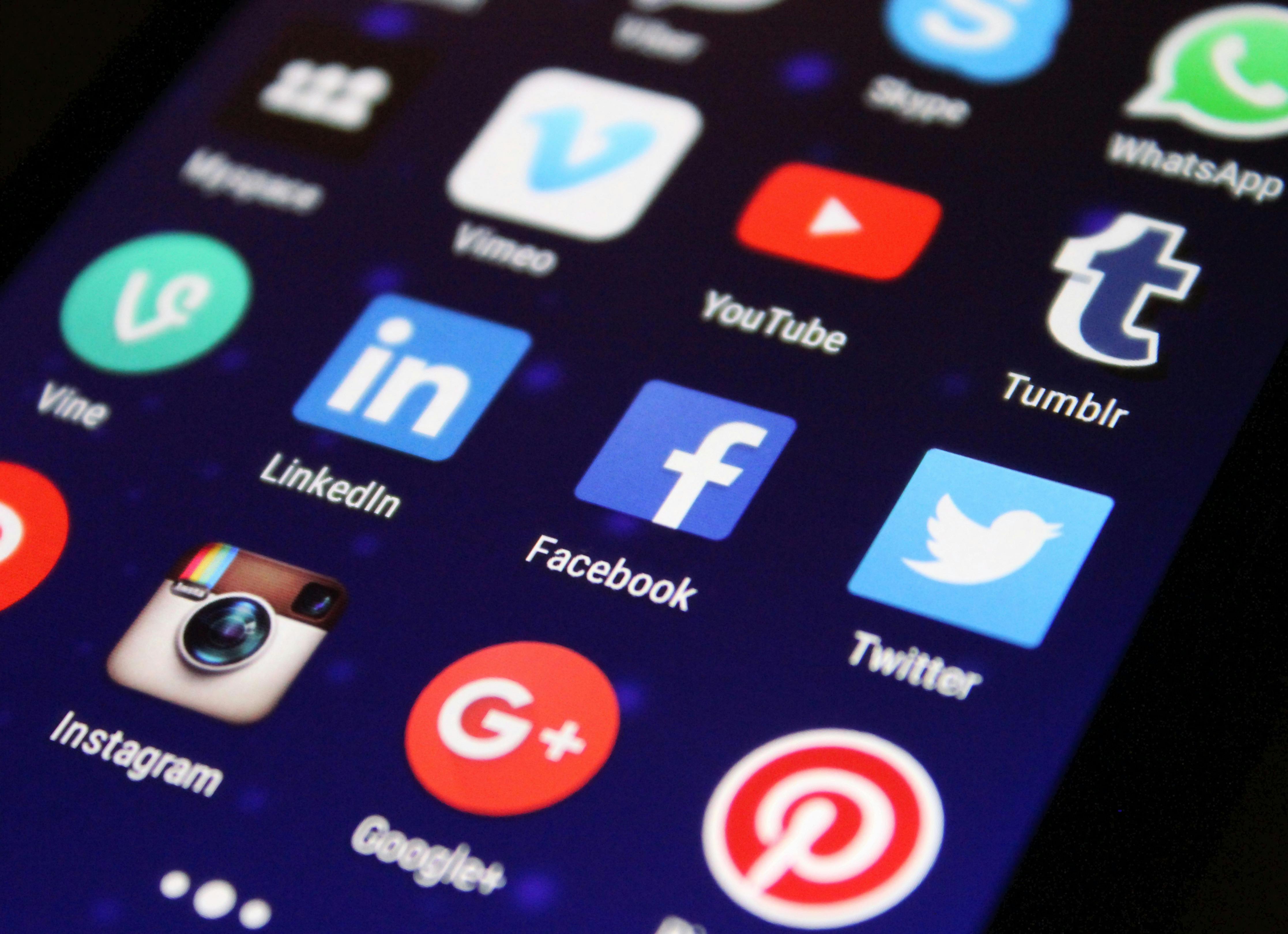
Social Media Management With AI Agents
Social media requires consistent posting, engagement, brand voice, and performance tracking across multiple platforms. Manual management becomes overwhelming when scaling beyond one or two channels. AI agents can coordinate content creation, scheduling, posting, engagement monitoring, and analytics while preserving authentic brand voice.
This guide explains how to build social media workflows that maintain quality and consistency without requiring constant manual attention. The focus is on content planning, multi-platform coordination, engagement, and measurement.
Define platform strategy first
Not every platform deserves equal effort. Choose platforms where your audience actually engages. A B2B service may focus on LinkedIn. A visual product may prioritize Instagram. A local service business may emphasize Facebook and Google Business Profile.
For each active platform, define: posting frequency, content types, tone, engagement rules, and success metrics. LinkedIn might receive thought leadership articles three times per week. Instagram might receive project photos and behind-the-scenes content daily. Facebook might focus on community engagement and customer stories.
A clear strategy prevents spreading effort thin and ensures each platform gets appropriate content.
Plan content in batches
Creating content one post at a time is inefficient. Plan in batches: a week or month of content at once. An agent can generate post ideas based on editorial calendar topics, company updates, industry trends, customer questions, and seasonal relevance.
A batch plan for a digital agency might include: a case study highlight, a process explainer, a customer testimonial, a team milestone, an industry observation, and a helpful resource. Each piece is adapted to platform requirements.
Batch planning enables review, revision, and scheduling without daily scrambling.
Adapt content to platform requirements
The same message needs different treatments per platform. LinkedIn favors professional insights with text-heavy posts. Instagram requires strong visuals with concise captions. Twitter needs brevity and threading. TikTok demands native vertical video.
An agent can take one core message and adapt it: a full article for LinkedIn, a carousel for Instagram, a thread for Twitter, and a short video script for TikTok. This multi-platform approach multiplies reach without creating every asset from scratch.
Respect native formats. Reposting identical content everywhere looks lazy and performs poorly.
Generate visual assets consistently
Social posts need images, graphics, or videos. An agent can generate on-brand visuals that match platform dimensions, maintain color and font consistency, and support the message.
For a service business, visual assets might include: project before/after photos, quote graphics, process diagrams, team photos, customer testimonials, and educational infographics. Each should follow brand guidelines and include platform-optimized dimensions.
Store visual assets in an organized library with metadata for reuse and consistency.
Schedule posts for optimal timing
Posting at consistent times improves reach and audience expectations. An agent can schedule content across platforms based on optimal times, platform algorithms, and audience activity patterns.
For example, LinkedIn posts may perform best on weekday mornings. Instagram may favor evenings and weekends. Schedule content to match these patterns rather than posting randomly.
Leave room for real-time content: timely reactions, customer highlights, and breaking news. Not everything should be scheduled weeks in advance.
Monitor engagement and respond
Social media is a conversation, not a broadcast. Monitor comments, mentions, and direct messages. An agent can organize these by priority: customer service issues, sales inquiries, positive feedback, questions, and general engagement.
Customer service issues and sales inquiries need fast human responses. Questions can receive templated answers with personalization. Positive feedback deserves acknowledgment. General engagement like likes and shares can be tracked without individual responses.
Set response time targets. Aim to acknowledge customer service issues within one hour and sales inquiries within four hours during business hours.
Coordinate multi-platform posting
Posting the same content at the same time across six platforms is tedious. An agent can coordinate multi-platform publishing: one action posts to LinkedIn, Instagram, Facebook, Twitter, and TikTok with platform-appropriate adaptations.
Verify that posts appeared correctly on each platform. Some platforms fail silently. Confirmation prevents assuming a post is live when it is not.
Track performance by platform and content type
Measure reach, engagement, clicks, conversions, and follower growth by platform and content type. Compare performance: do case studies outperform process posts? Does LinkedIn drive more qualified traffic than Instagram?
An agent can pull analytics weekly, identify top and bottom performers, and surface insights. Use data to refine content strategy: produce more of what works, adjust or drop what does not.
Avoid vanity metrics. Follower count matters less than engagement and conversions. A small engaged audience is more valuable than a large disinterested one.
Repurpose high-performing content
A post that performed well once can be adapted and reposted. Update the framing, refresh the visual, or reintroduce it to new followers. An agent can identify repurposing candidates based on past performance.
For evergreen content like tips, processes, and educational posts, repurposing extends value without constant creation.
Maintain brand voice and authenticity
Automation should support voice, not replace it. Define brand voice guidelines: tone, language, topics to embrace or avoid, and response patterns. An agent should draft content that matches these guidelines.
Authenticity matters. Followers detect robotic or overly polished content. Write like a human, show real projects and people, and admit mistakes when they happen.
Handle crises and negative feedback
Negative comments, complaints, and public criticism require human judgment. An agent can flag these immediately, but people should craft responses. Acknowledge the concern, take ownership if appropriate, and move detailed resolution to private channels.
Never ignore or delete valid criticism. Address it transparently. Never argue publicly. De-escalate and resolve privately.
Integrate with broader marketing
Social media should support overall marketing goals. Promote blog content, announce new services, share customer wins, drive event attendance, and generate leads. An agent can coordinate social posts with content publication, product launches, and campaigns.
For example, when a new blog post publishes, automatically create and schedule social posts promoting it across platforms.
Common mistakes
The first mistake is posting without a strategy. Random content produces random results. The second mistake is treating all platforms identically. Each has different audiences and norms.
Another mistake is ignoring engagement. Social media is not a megaphone. Also, teams often measure activity instead of outcomes. Posts published is not the goal; engagement and conversions are. Finally, many accounts lack a clear owner. Every platform needs someone accountable.
A practical implementation
Start with one or two platforms where your audience is most active. Define posting frequency and content types. Have the agent generate a two-week content plan, create visuals, and schedule posts.
Monitor performance for two weeks. Identify what resonates. Adjust content types and timing. Then add engagement monitoring: organize comments and messages by priority. Expand to additional platforms once the first one is running smoothly.
How Actus Agent supports social media
Actus Agent can generate content ideas, draft platform-adapted posts, create visual assets, schedule to connected accounts, monitor engagement, organize responses, and track performance. It preserves brand voice and coordinates multi-platform workflows.
The agent handles production and coordination; people handle strategy, brand decisions, and relationship responses.
Conclusion
Social media management scales when it has clear platform strategies, batch content planning, multi-platform coordination, engagement monitoring, and performance measurement. AI agents coordinate production while maintaining voice and authenticity.
Start with your strongest platform, define content types and frequency, then expand coordination and analytics. Build social media workflows with Actus Agent.